

Bhubaneswar (08/06/2026)By Leepika Lopamudra: In a significant step towards making education more engaging and less stressful for students, the School and Mass Education Department has introduced revised academic guidelines under the National Education Policy (NEP) 2020.
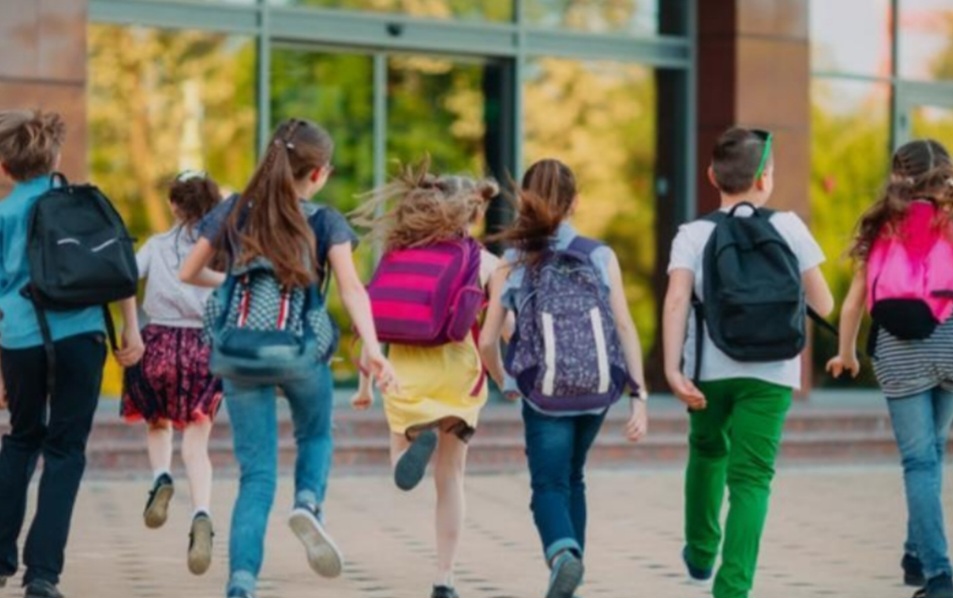
As part of the new framework, students will be allowed to attend school without carrying school bags for 10 days every academic year. During the designated “bagless days,” students will participate in a variety of experiential and activity-based learning programmes instead of regular textbook-based classroom sessions.
Activities may include art and craft, sports, cultural programmes, environmental awareness drives, vocational exposure, field visits, storytelling sessions, science projects, and community-based learning exercises. The revised guidelines also mandate 230 working days for schools annually, ensuring adequate instructional time while incorporating innovative learning practices.
Education officials said the move seeks to strike a balance between academic learning and holistic development. The initiative is designed to reduce the burden of heavy school bags and create a more enjoyable learning environment.
It also aligns with the NEP 2020 vision of shifting away from rote learning towards practical knowledge, creativity, problem-solving, and skill development. Officials said the bagless days would help students gain real-world exposure and develop life skills through interaction with local artisans, farmers, entrepreneurs, and professionals.
Such activities are expected to foster critical thinking, teamwork, communication skills, and a deeper understanding of their surroundings. The revised academic framework further encourages schools to integrate vocational education and local knowledge systems into the curriculum.
Schools have been instructed to plan the bagless days in advance and ensure that activities are age-appropriate and educationally meaningful.