

Bhubaneswar (By Leepika Lopamudra :
Drug abuse is a growing global concern that affects people of all ages, especially the youth.
It refers to the harmful or excessive use of drugs and other addictive substances that can
damage a person’s physical and mental health. Beyond the individual, drug abuse has far-
reaching consequences for families, communities, and society, contributing to crime,
violence, health complications, and economic losses.
Every year, June 26 is observed as the International Day Against Drug Abuse and Illicit
Trafficking to raise awareness about the serious threat posed by drug abuse and illegal drug
trade to individuals, families, and society.
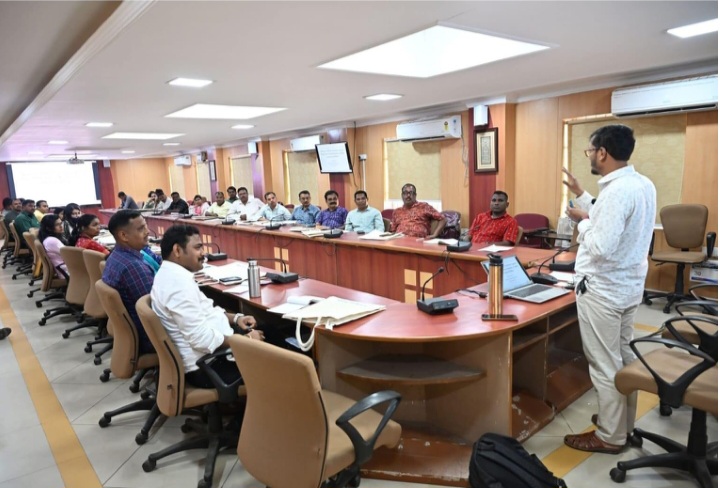
On this important occasion, we spoke with a dedicated social activist Dr. Mohammad
Imran Ali who has been working tirelessly from a very young age to create awareness about the dangers of drug abuse and to support efforts aimed at prevention, rehabilitation, and
community engagement especially among youth . In his anti-tobacco campaign,
Nishamukta Saishava (Drug-Free Childhood),he earned recognition in the Limca Book of
Records in 2018. Through this initiative, his message against tobacco and substance abuse
was broadcast across 19 states via 54 community radio stations, significantly expanding
the campaign’s reach and impact. Through this interview, we aim to understand the
challenges posed by substance abuse, the role of society in combating this menace, and
the activist’s inspiring journey in promoting a drug-free and healthier future for all.
Dr. Ali’s journey in the anti-tobacco and anti-drug movement began in 2006 while he was
pursuing his Master’s degree. During that time, he observed the growing prevalence of
tobacco and substance abuse among young people, particularly in slum areas. He noted
with concern that children were often sent by elders to purchase gutkha, cigarettes, and
other intoxicating substances, exposing them to addiction from an early age. These
experiences motivated him to work towards protecting children from the harmful effects of
drugs and tobacco. He further stated that this vision led to the establishment of SALAM
JEEVAN, an NGO committed to promoting a drug-free childhood and raising awareness
about the dangers of substance abuse among children, youth, and communities.
In Dr. Ali’s perception stated that creating awareness in schools, colleges, and other
educational institutions requires sustained engagement with students and youth. He said
that his NGO has been actively working with educational institutions, as well as
organizations such as the NSS, Red Cross, and My Bharat, to educate young people about
the harmful effects of tobacco and drug abuse. According to him, students are encouraged
to become ambassadors of the movement, promoting messages such as “Say No to Drugs”
and “Say No to Tobacco.” He further mentioned that he has authored several books on the
subject, including Bloody Gutkha, one of his most prominent works. To ensure wider
outreach, he has also produced books in Braille, documentaries in sign language for deaf
and visually impaired students, and pocket booklets containing powerful anti-addiction
slogans in various dialects. He added that the campaign extends to tribal communities as
well, with a focus on encouraging children and youth to pledge to reject intoxicants and
adopt healthy, nutritious lifestyles. He noted that his current initiative, “Answer to Cancer,”
aims to spread awareness about the early symptoms of cancer and the importance of
timely detection. He emphasized that awareness among students can be effectively
created through creative and participatory activities. He suggested that schools and
colleges should encourage students to prepare drug-free posters, write poems and essays
on the harmful effects of tobacco and drug abuse, and actively participate in awareness
campaigns. He further stated that simple initiatives, such as placing stickers carrying
messages like “Say No to Drugs” and “Say No to Tobacco” on helmets, bicycles, and other public spaces, can help spread the message widely. According to him, involving students
directly in such activities not only increases awareness but also empowers them to
become advocates for a drug-free society.
Addressing the severe health hazards associated with substance abuse, Dr. Mohammad
Imran Ali stated that the consumption of tobacco, alcohol, and other addictive substances
can cause serious damage to vital organs such as the heart, kidneys, liver, and lungs. He
explained that prolonged use significantly increases the risk of developing life-threatening
diseases, including cardiovascular disorders, respiratory illnesses, oral cancer, and
leukemia. He emphasized that these health complications not only diminish an individual’s
quality of life but also place a significant burden on families and society, highlighting the
urgent need for prevention and awareness. Drug and alcohol addiction has far-reaching
consequences that extend beyond physical health, affecting an individual’s character,
financial stability, and family life. He observed that substance abuse can be particularly
damaging for professionals, as it often impairs judgment, productivity, and social conduct.
He further noted that male addicts may exhibit inappropriate behavior towards women,
leading to social and ethical concerns. Expressing concern over recent trends, he said that
the prevalence of drug and substance abuse among young girls has increased significantly
over the past 10 to 15 years, posing serious risks to their health and well-being. He added
that addiction often leads individuals to violate social norms and responsibilities, and in
many cases, addicts resort to selling their homes, gold, and other valuable assets to
sustain their dependence on intoxicating substances.
Dr. Ali identified the easy availability of narcotic substances, increasing social acceptance
of intoxicants, and the influence of celebrity endorsements as some of the primary reasons
behind the rising use of tobacco and drugs among the youth. He stated that substances
such as drugs,brown sugar and worldwide banned drugs are often readily accessible,
making it easier for young people to fall into addiction. He also observed that many
individuals justify the consumption of alcohol, e-cigarettes, and vapes during celebrations,
parties, and social gatherings, gradually normalizing such habits. Furthermore, he
expressed concern over the online promotion and surrogate advertising of tobacco,
alcohol, hookah, and other intoxicants by prominent celebrities and influencers, noting
that these endorsements have a profound impact on impressionable young minds. He
added that while some users initially experiment with cigarettes or alcohol, many
eventually progress to more dangerous substances such as brown sugar, narcotic drugs,
and marijuana, leading to severe addiction and long-term consequences.
Dr. Ali acknowledged the efforts of the government and law enforcement agencies to curb
the illegal drug trade and appreciated the recent initiatives undertaken by police officers to combat drug trafficking. However, he observed that the masterminds and kingpins behind
many drug networks often remain beyond the reach of the law, while lower-level operatives
are more frequently apprehended. He emphasized the need for stronger legal provisions
and stricter punishment for those who organize and profit from the illicit drug trade. He
further noted that economically vulnerable individuals are often drawn into trafficking
activities for financial reasons and end up bearing the brunt of legal action. He stressed the
need for stronger laws and stricter punishment for the kingpins of drug trafficking networks.
According to Dr. Ali recovery from addiction requires both professional support and a
caring environment. He said that rehabilitation and de-addiction centres provide a pathway
for addicts to return to normal life, while the love and support of family members play a
vital role in their recovery. He stated that professional treatment and counselling services
should be made accessible to those who are willing to overcome addiction. He remarked
that prevention is always better than cure and called for greater awareness and preventive
measures to protect individuals from falling into addiction in the first place.
Reflecting on his journey, Dr.Ali emphasized that willpower is the most important ingredient
for achieving any goal. He acknowledged that financial resources are important, but noted
that he had started his mission with virtually no budget. Despite the challenges and limited
resources, he said that his determination, commitment, and perseverance enabled him to
continue his work and achieve success in spreading awareness against tobacco and drug
abuse.
In his concluding message on the occasion of the International Day Against Drug Abuse
and Illicit Trafficking, he urged the public, particularly children and youth, to stay away from
drugs, tobacco, alcohol, and all other intoxicating substances. He emphasized that young
people are the future of India and that adopting a healthy, addiction-free lifestyle is
essential for their well-being and the nation’s progress. He further stated that a drug-free
India is a crucial component of the vision of Viksit Bharat 2047 and called upon society to
work collectively towards building a healthier and addiction-free future.