
Bhubaneswar: A memorandum submitted to Rajya Sabha MP Sujeet Kumar has brought renewed attention to the prolonged absence of a bridge over the Tel River connecting Kandulguda and Kumari villages in Kalahandi district, raising questions over the uneven distribution of public infrastructure despite repeated claims of rural development.
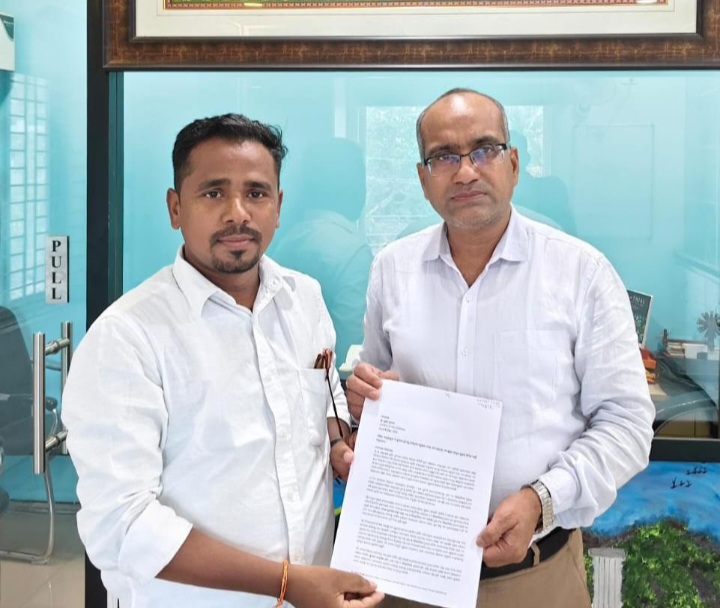
Submitted by social activist Dr. Lokesh Durga on behalf of residents of Kandulguda and neighbouring villages, the memorandum argues that the lack of a permanent all-weather bridge has left the region trapped in a cycle of seasonal isolation for decades.
According to the memorandum, Kandulguda, with a population of 846 as per the 2011 Census, lies only about 29 km from Bhabanipatna. Yet every monsoon, the village is effectively cut off as the Tel River becomes impassable. The Atigaon Gram Panchayat office is barely 2 km away, but residents often cannot access it during the rainy season, delaying essential public services and welfare benefits.
The memorandum paints a troubling picture of the impact on healthcare. With no Primary Health Centre in either Atigaon or Talmala Gram Panchayats, patients must travel nearly 19 km to Junagada for treatment. Ironically, the PHC at Farang is only about 4 km away and Dharamgada around 15 km away, but both remain inaccessible during floods because of the missing bridge. The memorandum warns that pregnant women, elderly persons, children and accident victims bear the greatest risk when timely medical care becomes impossible.
Education has also suffered. Students attempting to reach Chichia College, located barely 5 km away, are forced to take long and unsafe routes during the monsoon or miss classes altogether. The memorandum argues that the absence of basic connectivity continues to undermine educational opportunities for rural youth.
For farmers, the economic cost is equally significant. The Kumari weekly market, located just 1 km across the river, becomes inaccessible during the rainy season, preventing cultivators from selling their produce on time and increasing transport costs. The resulting losses, the memorandum states, directly affect rural livelihoods in an area where agriculture remains the primary source of income.
The memorandum further questions why this critical infrastructure gap has persisted despite the construction of several bridges in other parts of Kalahandi that have substantially improved connectivity, healthcare access and economic activity. It argues that the continued exclusion of Kandulguda from such investments reflects a deeper imbalance in development planning and public infrastructure allocation.
Seeking immediate intervention, the memorandum urges a site inspection, early administrative and financial approval, and the commencement of construction of an all-weather bridge. It contends that the project is not merely about connecting two villages but about ensuring citizens’ access to healthcare, education, markets and government services—basic entitlements that continue to remain uncertain for thousands of residents every monsoon.
As another rainy season unfolds, the memorandum raises a larger policy question: why do some rural communities continue to wait for basic infrastructure long after similar projects have transformed neighbouring regions? Until that question is answered through concrete action, residents say the promise of inclusive development will remain incomplete.
Subscribe to Updates
Get the latest creative news from FooBar about art, design and business.
Bridge missing, development stalled: memorandum flags decades of neglect in Kalahandi’s village
 By Odisharay Bureau3 Mins Read

Related Posts
Add A Comment