

By Meghna Sengupta
WASHINGTON: Global crude oil prices witnessed a sharp decline following the US midterm elections, as investors responded to expectations of reduced military tensions between the United States and Iran. The fall came after President Donald Trump stated that Washington had no immediate plans to launch military strikes against Iran, easing concerns over a possible escalation in the Middle East.
On November 5, Brent crude, the international benchmark, slipped below $94 per barrel, while US West Texas Intermediate (WTI) crude fell below $87 per barrel. The decline followed a significant fall in oil prices during the previous trading session, reflecting changing market expectations regarding geopolitical developments.
US Midterm Elections Influence Market Sentiment
The November 3 midterm elections brought significant political changes in the United States, with the Democratic Party gaining control of both chambers of Congress. The results have created fresh political challenges for the Trump administration, particularly regarding its foreign policy and military decisions.
Investors are closely monitoring how the changed political landscape could influence Washington’s approach towards the Middle East. Expectations that the administration may face greater scrutiny over military involvement have contributed to a more cautious market outlook.
Trump Rules Out Immediate Military Action
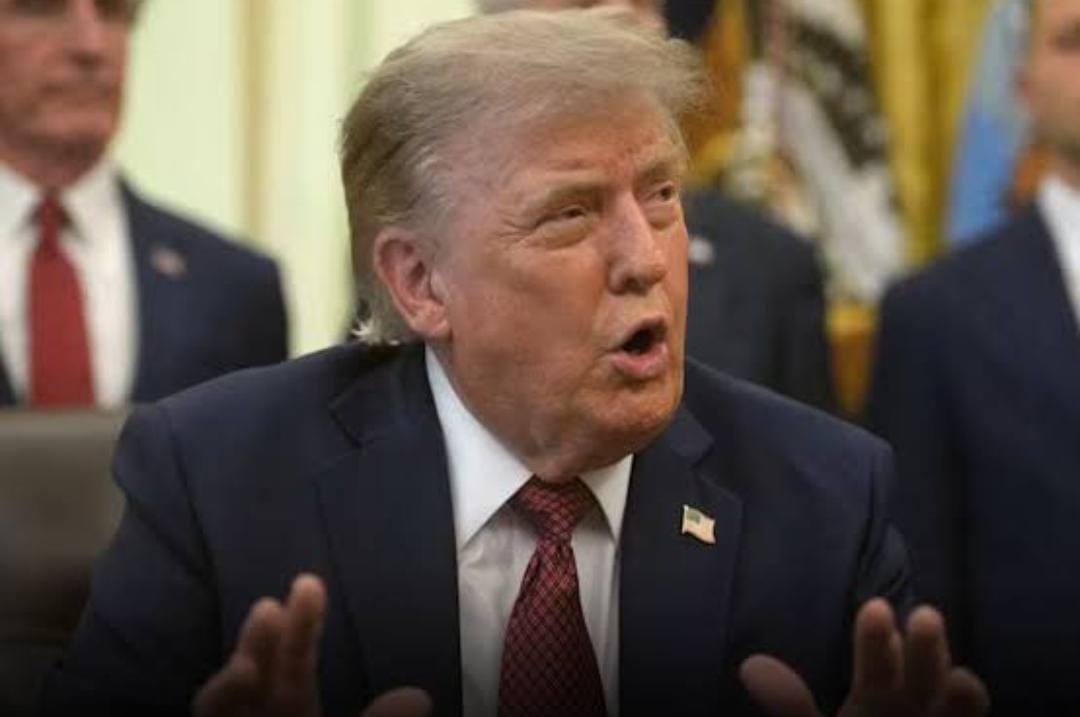
Adding to the changing market sentiment, President Donald Trump stated in an interview with the Financial Times that the United States had no immediate plans to strike Iran. His remarks were interpreted by investors as a sign that the possibility of an immediate military confrontation had reduced.
The statement came amid continuing tensions between Washington and Tehran. Any further military escalation could threaten important oil-producing regions and international shipping routes, particularly the Strait of Hormuz, through which a substantial portion of the world’s oil supply passes.
Why Are Oil Prices Falling?
The Middle East plays a crucial role in global energy production and transportation. Any disruption to oil shipments through the Strait of Hormuz could affect international supply and push prices higher.
However, expectations of diplomatic negotiations and reduced military tensions have eased some of these concerns. Investors are increasingly anticipating that improved relations could prevent further disruptions to oil supplies.
Nevertheless, the situation remains uncertain, as no final agreement between the United States and Iran has been confirmed.
Possible Impact on India
The decline in crude oil prices is particularly significant for India, which depends heavily on imported crude oil to meet its domestic energy requirements.
A sustained fall in international oil prices could reduce India’s import expenditure, ease pressure on foreign exchange reserves and help control inflation. It could also benefit industries dependent on fuel and transportation.
However, lower international crude prices do not automatically translate into cheaper petrol and diesel for consumers, as domestic fuel prices are also influenced by taxation, currency exchange rates and government pricing policies.
Uncertainty Continues
Although the recent decline has brought some relief to global energy markets, geopolitical developments in the Middle East continue to influence oil prices. Any breakdown in diplomatic efforts or renewed military confrontation could reverse the current trend.
For now, the fall in crude oil prices below $94 per barrel reflects growing expectations of reduced tensions between Washington and Tehran. The coming days will be crucial in determining whether diplomatic efforts can provide lasting stability to international energy markets.