
Mumbai ( By Bratatee Pradhan): The Bombay High Court made a series of sharp observations on the
political situation in Maharashtra while hearing a petition challenging an
externment order against a political activist. The court’s remarks,
particularly those referring to “horse trading” and a political “washing
machine,” have drawn widespread attention and reignited debate over party
defections and the treatment of political opponents.
The observations came during the hearing of a petition filed by Saeed
Ahmad Abdul Wahid Chaudhary, General Secretary of the Social
Democratic Party of India (SDPI), who challenged an externment order
issued against him by the Maharashtra Police. The authorities had directed
him to stay out of certain districts, citing multiple criminal cases registered
against him for participating in protests and demonstrations against the
Central and State governments.
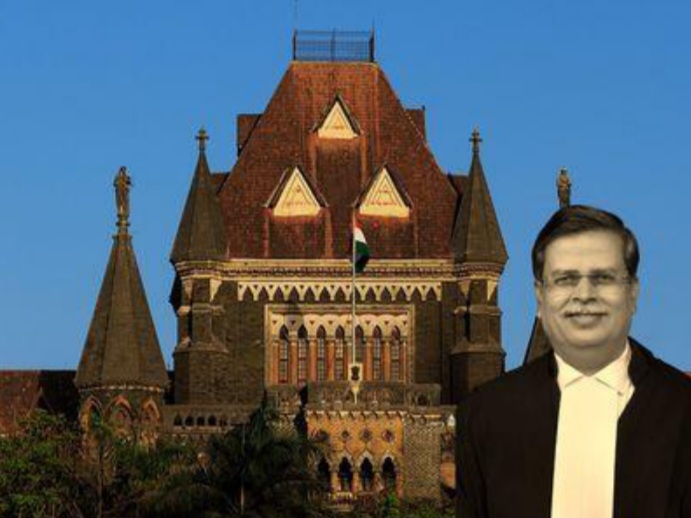
While examining the matter, Justice Madhav Jamdar questioned the
justification for the police action and remarked that the state was
witnessing “horse trading” across Maharashtra—a reference to the frequent
shifting of political loyalties by elected representatives. In a sarcastic
comment directed at the petitioner, the judge said that since he already
had FIRs against him, he could simply switch political sides because there
was a “washing machine” available. The remark was widely interpreted as
an allusion to allegations often made by opposition parties that politicians
facing criminal investigations receive relief after joining the ruling alliance.
The judge also expressed concern over what he described as the increasing
use of criminal cases against citizens exercising their democratic rights. He
observed that people cannot be prevented from protesting government
policies or criticizing those in power, as peaceful dissent is a fundamental
feature of a democratic society. The court questioned whether every
protest against government decisions should result in criminal cases being
registered against participants.
Justice Jamdar further remarked that if citizens are booked for every protest
they organize, it would amount to treating them as “slaves of the
government.” He emphasized that the Constitution guarantees every citizen
the right to freedom of speech, peaceful assembly and expression, and
these rights cannot be curtailed merely because the views expressed are
critical of the government.
During the proceedings, the court also reminded the police that their
primary duty is to uphold the Constitution and the rule of law rather than
act at the behest of any political executive. It stressed that the police are
public servants and must exercise their powers fairly, impartially and within
the limits prescribed by law.
After considering the facts of the case, the High Court quashed the
externment order against Chaudhary. It held that the authorities had failed
to establish sufficient grounds to justify such a drastic measure and
observed that the criminal cases cited were largely connected to political
protests and demonstrations. The court found that participation in
protests, without evidence of activities posing a genuine threat to public
order, could not justify externment.
The judgment has been welcomed by civil rights groups and legal experts
as a reaffirmation of constitutional freedoms, particularly the right to
protest peacefully and criticize the government. At the same time, the
judge’s oral remarks on political defections have sparked renewed discussion over the frequent switching of parties by legislators in
Maharashtra and allegations that political affiliations often influence the
course of criminal investigations.
Although the comments on “horse trading” and the “washing machine” do
not form part of the written judgment, they have become the most talked-
about aspect of the hearing, highlighting judicial concerns over the state of
democratic institutions, political accountability, and the protection of
citizens’ fundamental rights.
Subscribe to Updates
Get the latest creative news from FooBar about art, design and business.
Bombay High Court’s ‘Horse Trading’ and ‘Washing Machine’ remarks stir political debate
 By Odisharay Bureau3 Mins Read

Related Posts
Add A Comment