

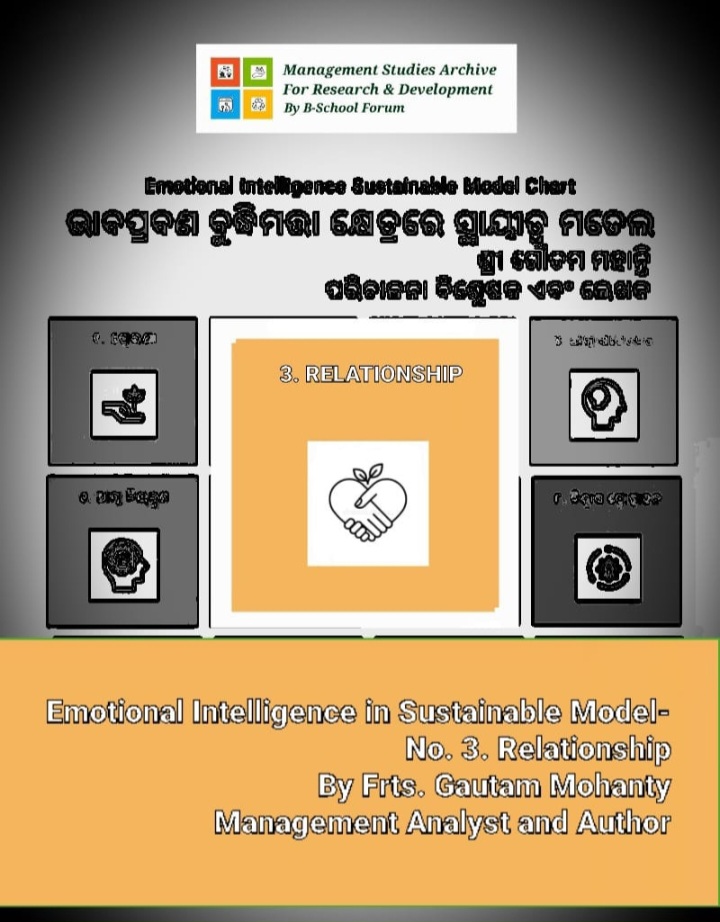
Bhubaneswar : A relationship is an emotional, familial, or platonic connection or bond between two or more individuals. These connections, which can also describe structural associations between abstract concepts or things, form the foundation of social support, companionship, and a sense of belonging in human life.
Key Types of Relationships
Romantic: Intimate partnerships characterized by feelings of love, attraction, and often sexual or life-long commitment.
Platonic: Close, meaningful friendships that involve deep emotional intimacy but are strictly non-sexual and non-romantic.
Familial: Kinship bonds defined by biology, marriage, or legal structures, such as parent-child and sibling dynamics.
Professional: Connections centered on shared work environments or dealings, such as doctor-patient, employer-employee, or coworker relationships.
Maintaining Healthy Connections
Healthy interpersonal relationships are typically built on mutual respect, trust, empathy, and open communication. According to the Psychology Today Relationship Basics, cultivating a lasting bond requires self-reflection, a willingness to accommodate differences, and the intentional effort to make partners feel appreciated and heard.
Navigating Relationship Challenges
Relationships are dynamic and can sometimes face challenges like miscommunication, shifting priorities, or boundary violations. Acknowledging harmful patterns—like codependency or toxicity—is vital to ensuring a connection supports an individual’s mental and physical well-being.
Emotional intelligence (EQ) in relationships is the ability to recognize, understand, and manage your own emotions while empathetically attuning to your partner’s. It forms the foundation for deep intimacy, transforming inevitable conflicts into opportunities to grow closer rather than drifting apart.
The Core Components of EQ in Relationships
Psychologist Daniel Goleman’s foundational model of emotional intelligence applies directly to intimate partnerships through several key traits:
Self-Awareness: The ability to recognize your own emotional triggers. Instead of reacting impulsively out of frustration, an emotionally intelligent partner can identify and name their feelings—such as “I’m feeling unheard” rather than just lashing out.
Self-Regulation: The capacity to manage impulsive feelings, pause, and respond in a measured way during disagreements. This prevents minor disputes from escalating into explosive arguments.
Empathy: Stepping into your partner’s emotional world to understand their perspective. You do not always have to agree with them, but you validate their experience.
Relationship Management: The active ability to communicate clearly, resolve conflicts productively, and regularly repair after arguments.
Why EQ Matters More Than You Think
High emotional intelligence changes the dynamic of a partnership from a zero-sum game (where one person needs to “win” an argument) to a collaborative team effort. While couples with low EQ often resort to criticism, defensiveness, and emotional stonewalling, those with high EQ utilize “repair attempts” (such as a gentle touch, a well-timed joke, or an early apology) to keep the connection strong and trusting.
Developing EQ Together
The good news is that emotional intelligence is a skill that can be developed over time with consistent effort. Here are a few actionable ways to practice it in your relationship:
Slow down your reactions: When an argument starts, recognize when you are becoming emotionally flooded and take a 20-minute pause to calm down before returning to the conversation.
Use “I” statements: Frame your concerns around how you feel rather than pointing fingers. For example, “I feel disconnected when we don’t have time to talk” is much less accusatory than “You never pay attention to me”.
Practice active listening: Listen to understand your partner’s emotional state, not just to formulate your own rebuttal.
Utilize outside resources: If you are finding it difficult to break out of old, frustrating patterns, working with a couples therapist can provide a safe space to build these skills together. For accredited therapy resources, you can explore directories like the Gottman Referral Network .
Courtesy: NATIONAL EDUCATION BOARD FOR MANAGEMENT TRAINING,
Vocational Skill Tennary
by B-School Forum Knowledge Centre
By Frts. Gautam Mohanty Management Analyst and Author, Bhubaneswar