

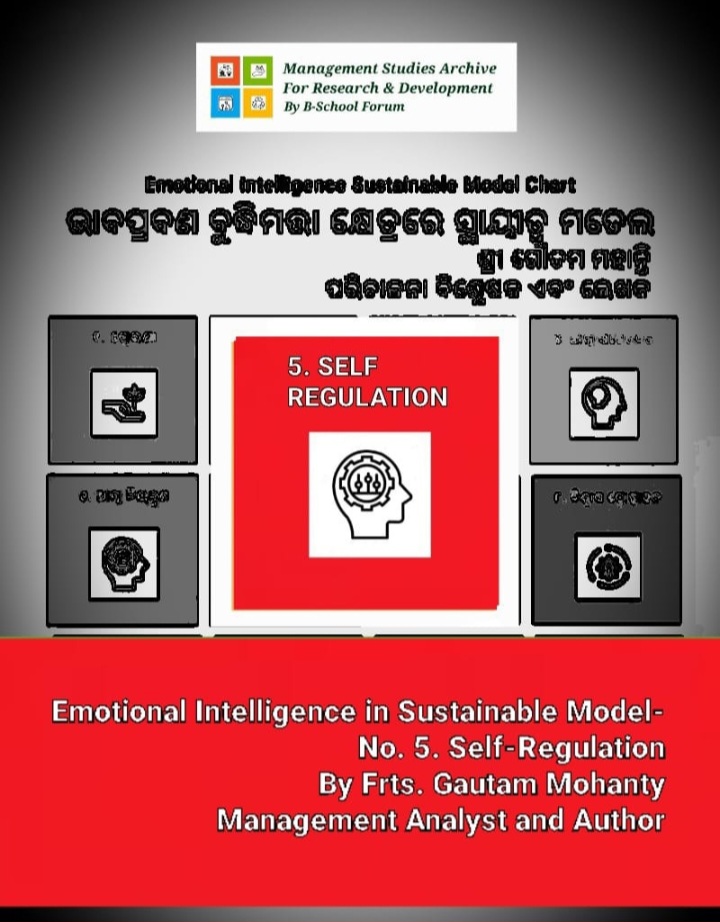
Bhubaneswar : Self-regulation in emotional intelligence is the ability to manage and redirect your disruptive impulses, emotions, and moods. It involves taking a pause between a feeling and an action to think before you speak, ensuring your responses align with your long-term goals and values.
The Core Components
As one of the five foundational pillars of emotional intelligence, self-regulation includes:
Self-Control: Actively managing and restraining impulsive behaviors or aggressive outbursts.
Adaptability: Remaining open-minded and flexible when faced with sudden changes, stress, or adversity.
Trustworthiness and Integrity: Maintaining high standards of honesty and ensuring your emotional expressions match your core values.
Why It Matters
Mastering self-regulation prevents you from reacting in ways that might damage personal relationships or professional standing. Instead of denying or repressing your feelings, you learn to tolerate and process them productively. This builds resilience, allowing you to stay composed under pressure and bounce back quickly from setbacks.
Strategies for Development
You can actively strengthen your self-regulation skills using the following techniques:
The “Stop-Breathe-Reflect-Choose” Method: Take slow, deep breaths to physically calm your nervous system before reacting to a triggering situation.
Mindfulness and Meditation: Practicing mindfulness helps improve your attention span and control over emotional responses.
Cognitive Reappraisal: Consciously reframing negative thoughts or disappointing experiences to focus on a positive or constructive angle.
Self-Monitoring: Pay attention to how you feel, identify your specific emotional triggers, and evaluate if your reactions align with your intended outcomes.
Courtesy: NATIONAL EDUCATION BOARD FOR MANAGEMENT TRAINING,
Vocational Skill Tennary
by B-School Forum Knowledge Centre
By Frts. Gautam Mohanty Management Analyst and Author, Bhubaneswar