

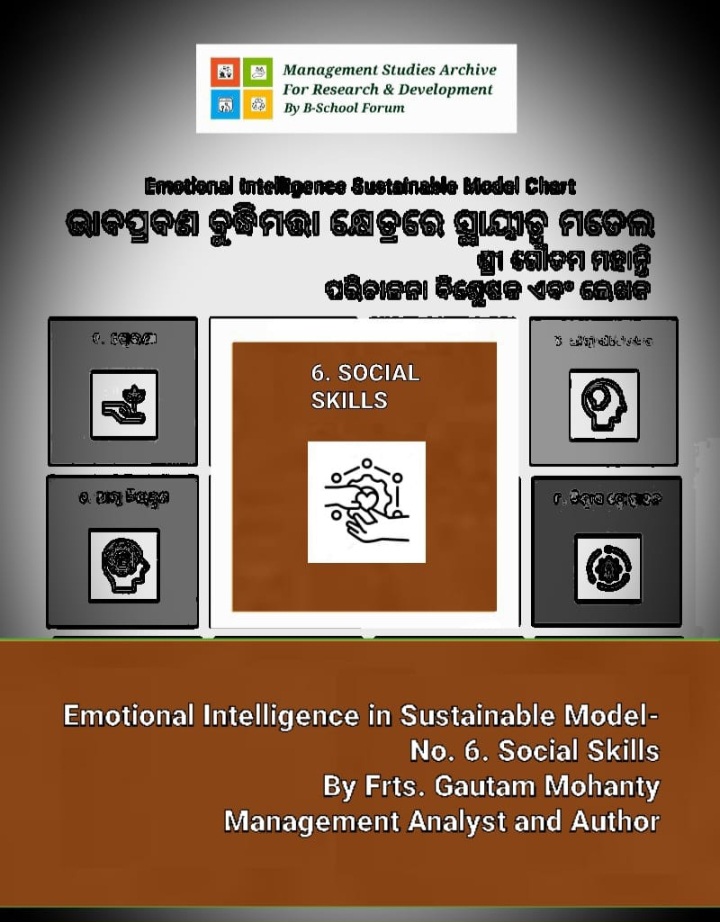
Bhubaneswar : Social skills are the verbal and nonverbal behaviors used to communicate and interact effectively with others. They encompass active listening, empathy, and relationship management. Building these skills is about repetition and low-pressure practice rather than inherent charisma.
To build better social skills, focus on these actionable habits:
Listen to understand: Focus entirely on what the speaker is saying rather than planning your next response five minutes ahead.
Thread the conversation: Instead of jumping to a completely new topic, pick a word or concept the other person mentioned and build on it.
Ask genuine questions: Ask about things that genuinely interest you, rather than just polite small talk. People can tell the difference.
Utilize daily interactions: Treat low-stakes encounters—like ordering a coffee or speaking with a neighbor—as practice to reduce the pressure of socializing.
Embrace silence: You do not need to constantly fill every pause in a conversation. It is perfectly fine to take a moment to think.
Social skills are the application of emotional intelligence (EQ) in the outside world, blending empathy and self-awareness to build strong relationships. They involve effectively managing interactions, communicating clearly, and resolving conflicts to influence and inspire others positively.
In widely recognized frameworks—such as psychologist Daniel Goleman’s model—social skills serve as the pinnacle of emotional intelligence, relying on a foundation of self-awareness, self-regulation, and social awareness. Mastering this aspect of EQ requires you to put your understanding of emotions into action.
Key competencies and practical applications include:
Effective Communication: Tailoring your message to your audience, practicing active listening, and being transparent with your own thoughts to build deep rapport.
Conflict Management: Recognizing hidden tension early, mediating disagreements tactfully, and guiding parties toward mutually beneficial solutions.
Leadership and Influence: Inspiring teams, persuading others to collaborate toward a common goal, and effectively guiding people through change.
Building Bonds: Nurturing an expansive network and maintaining long-lasting, supportive relationships.
You can improve these abilities in your daily life by asking open-ended questions, observing social dynamics in group settings, and matching your communication style to best connect with others.
Courtesy: NATIONAL EDUCATION BOARD FOR MANAGEMENT TRAINING,
Vocational Skill Tennary
by B-School Forum Knowledge Centre
By Frts. Gautam Mohanty Management Analyst and Author, Bhubaneswar