
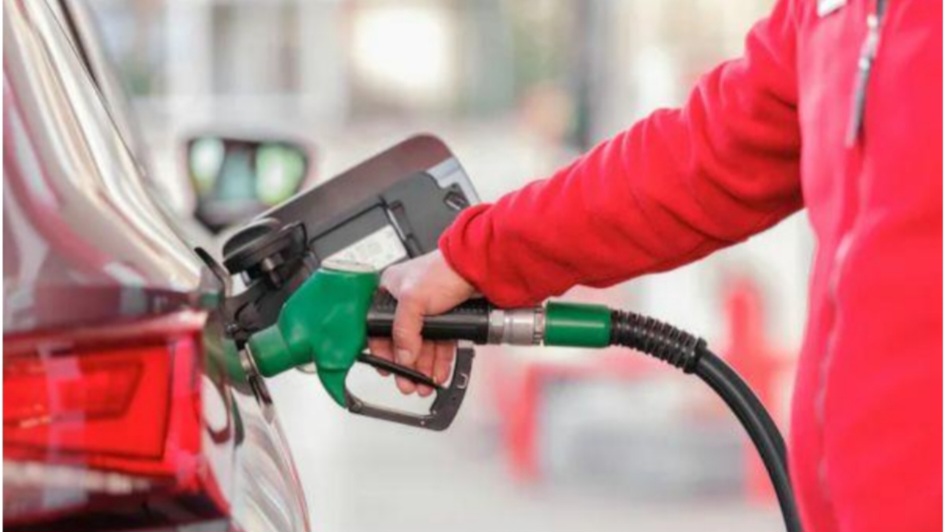
Government reiterates Ethanol Blending Programme is scientifically validated and continuously monitored
New Delhi(24/06/2026) By Subham Bose: The Central Government has reaffirmed that India's Ethanol Blending Programme (EBP) is based on scientific evidence, rigorous testing, and continuous monitoring, dismissing concerns over its impact on vehicle performance and environmental sustainability.The government said the programme has undergone extensive technical evaluation and remains a key component of the country's strategy to enhance energy security, reduce dependence on imported crude oil, lower carbon emissions, and support the agricultural economy. The clarification comes as India continues to accelerate ethanol blending with petrol under its long-term clean energy roadmap.Officials stated that the programme is being implemented in a phased manner with close coordination among the petroleum, automotive, and agricultural sectors to ensure that fuel quality, engine compatibility, and consumer safety are maintained at every stage. According to the government, ethanol-blended fuel supplied across the country conforms to prescribed national fuel quality standards and undergoes regular testing before distribution.Continuous monitoring by relevant ministries, oil marketing companies, scientific institutions, and regulatory agencies ensures that the programme remains aligned with technological advancements and environmental objectives. The government emphasized that ethanol blending has been scientifically validated through extensive research conducted by automotive manufacturers, fuel testing laboratories, and technical institutions.Compatibility assessments have been carried out for various vehicle categories to evaluate engine performance, fuel efficiency, emissions, and durability under different blending levels. Officials noted that automobile manufacturers have progressively introduced vehicles capable of operating efficiently on higher ethanol blends, while necessary modifications and technological improvements continue to be incorporated into future vehicle models. The Centre maintained that the programme follows internationally accepted practices, with several countries successfully adopting ethanol-blended fuels as part of their efforts to reduce fossil fuel consumption and greenhouse gas emissions. The Ethanol Blending Programme forms a central pillar of India's strategy to diversify its energy sources and reduce dependence on imported petroleum products.By replacing a portion of petrol with domestically produced ethanol, the country aims to lower its crude oil import bill while strengthening energy self-reliance. The government highlighted that ethanol, being a renewable biofuel produced primarily from agricultural feedstocks such as sugarcane, maize, and surplus food grains, contributes to cleaner combustion and reduced carbon emissions compared to conventional fossil fuels. Officials said the initiative also supports India's climate commitments by promoting cleaner transportation fuels and reducing the environmental footprint of the transport sector. Beyond energy and environmental objectives, the government said the programme has created new economic opportunities for farmers by providing an additional market for agricultural produce used in ethanol production. The increased demand for feedstocks such as sugarcane and maize has contributed to higher income opportunities for cultivators while helping address surplus production in certain agricultural commodities.Ethanol production has also encouraged investments in biofuel manufacturing facilities, creating employment opportunities across rural and semi-urban areas. Officials added that the programme complements the government's broader vision of strengthening the bioeconomy and promoting sustainable agricultural value chains. The Centre stressed that the Ethanol Blending Programme is not static but is continuously reviewed and refined based on scientific findings, industry feedback, technological developments, and operational experience. Regular consultations are held with automobile manufacturers, oil marketing companies, research organizations, and other stakeholders to address emerging issues related to fuel standards, engine compatibility, infrastructure development, and consumer awareness. The government said any expansion in blending targets is preceded by detailed technical assessments to ensure that vehicle performance and fuel quality remain uncompromised. India has made significant progress in increasing ethanol blending over the past several years, moving steadily toward its national blending targets.Officials noted that sustained policy support, improved production capacity, and stronger coordination between stakeholders have enabled rapid growth in ethanol supply. The government continues to encourage investments in ethanol production, storage, transportation, and distribution infrastructure to support future expansion while ensuring uninterrupted fuel availability across the country. Reiterating its commitment to balancing economic growth with environmental responsibility, the government said the Ethanol Blending Programme represents an important step towards achieving cleaner energy, enhanced energy security, and rural prosperity. Officials emphasized that scientific validation, continuous monitoring, and evidence-based policymaking will remain the foundation of the programme as India advances its transition toward more sustainable and diversified energy sources.With continued technological improvements and close collaboration among industry, researchers, and policymakers, the government expressed confidence that ethanol blending will continue to play a crucial role in the country's long-term energy and climate strategy while delivering benefits to consumers, farmers, and the broader economy.
Trending

7.5-magnitude quake strikes Venezuela seconds after Foreshock

Government reiterates Ethanol Blending Programme is scientifically validated and continuously monitored

Cabinet reshuffle buzz grows after George Kurian's exit; major changes in Modi Government expected soon

Ministry of Mines auctions 10 critical mineral blocks under 7th tranche

Odisha strengthens Kharif 2026 preparedness following review by Union Agriculture Minister
Visit Our Odia News Site